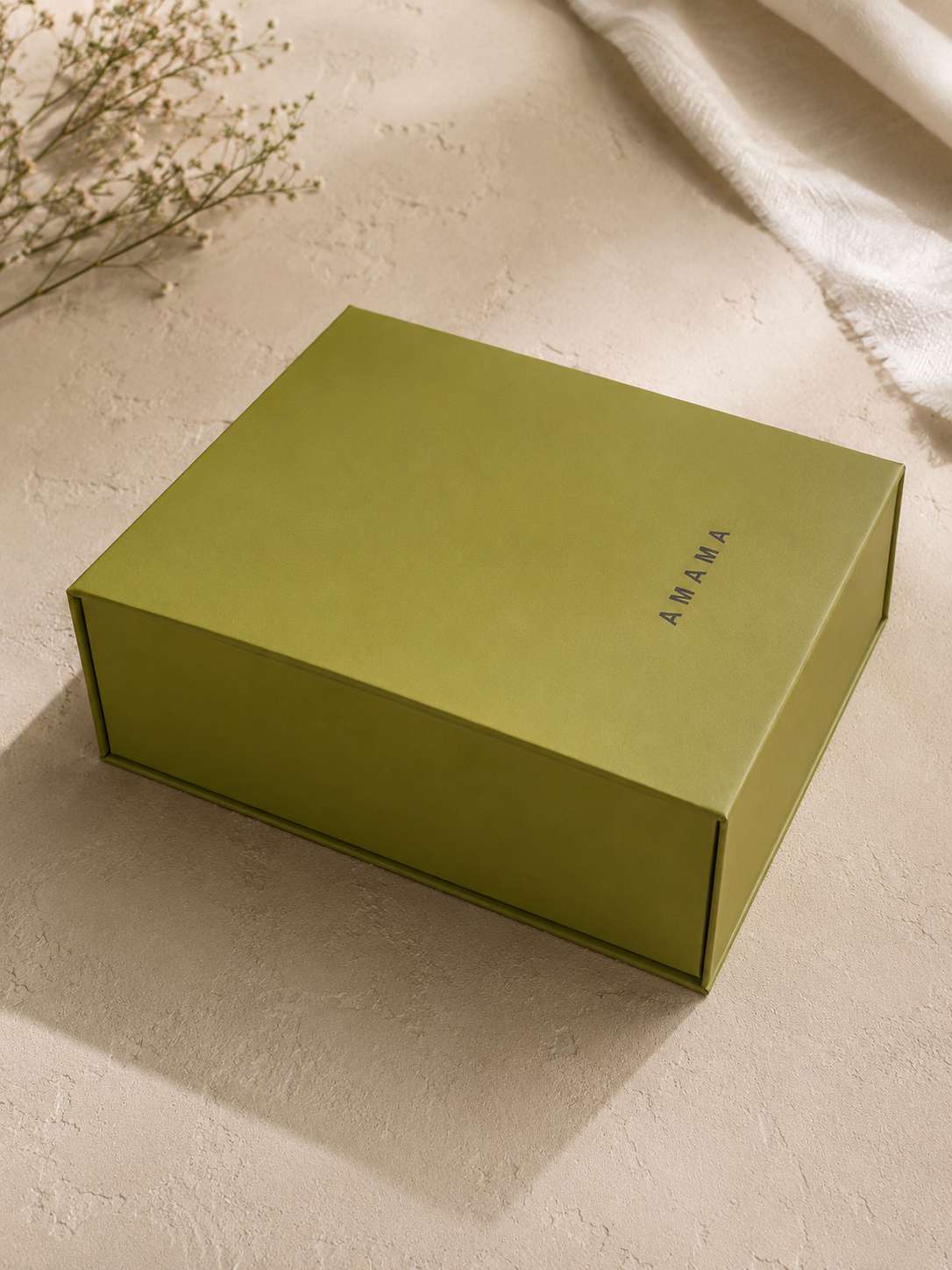
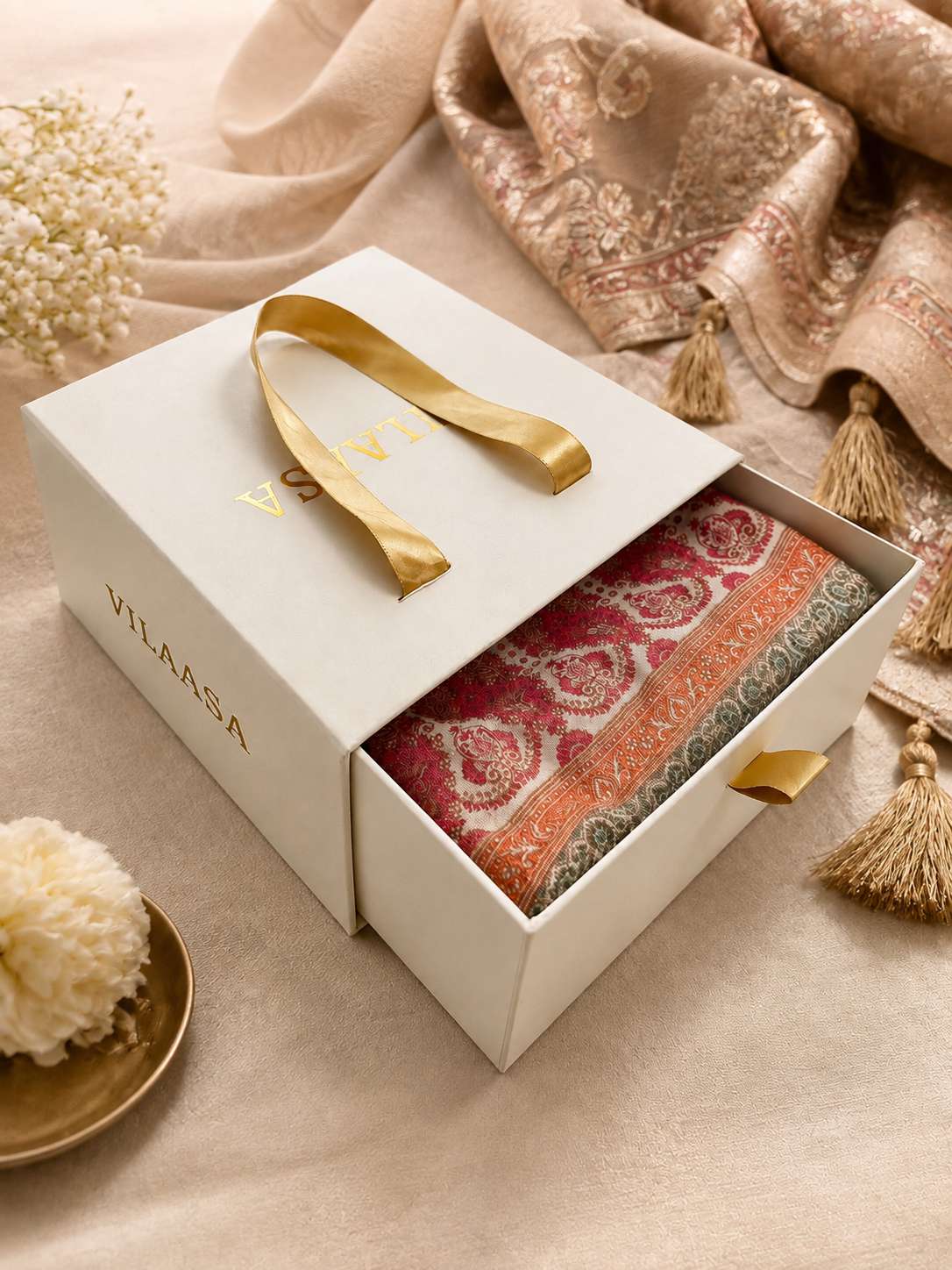
Hot foil stamping
A heated metal block presses a metallic or pigment foil onto the wrap. It produces a true reflective surface that printed metallic ink cannot match. Gold, silver and pigment foils are standard; the artwork must be supplied as a clean solid vector shape, because foil cannot hold a gradient or a fine halftone.
Embossing and debossing
Embossing raises the paper; debossing presses it in. Both use a matched die pair and both are tactile rather than visual — they read strongest on uncoated textured stocks and weakest under gloss lamination. Multi-level tooling can hold a sculpted logo, at higher die cost.
Spot UV
A high-gloss varnish applied only to chosen artwork areas. It needs a matt or soft-touch base to create the contrast that makes it worth doing. Spot UV over a matt-laminated black wrap is one of the most cost-effective premium effects available.
Combining techniques
The strongest combinations register one process over another: foil over emboss (the logo lifts and shines), or spot UV registered over a printed pattern. Registration tolerance matters here, which is why combination finishing is always proven on the prototype first.
What to send us
Supply finishing artwork as separate vector layers — one for foil, one for emboss, one for spot UV — over the print file. If your designer supplies a single flattened file, we will rebuild the separations and send them back for approval.